Whether revisiting history or adopting modern cloth diapering, avoiding a few critical mistakes ensures optimal hygiene and fabric longevity:
- Avoid Fabric Softeners: Synthetic fabric softeners coat natural cotton fibers with a water-repellent wax layer, drastically reducing absorption capacity. ⚠️
- Never Use Harsh Chlorine Bleach Daily: Repeated use of strong chemical bleach breaks down natural cotton threads rapidly, causing tears and leaks.
- Ensure Thorough Rinsing: Residual soap suds left inside dense cotton weaves can irritate delicate skin; always run an extra rinse cycle during washing.
Key Metrics: Traditional vs. Modern Diapering Comparison
| Feature / Metric | Traditional Cloth Diapers | Modern Disposable Diapers |
| Primary Material | 100 percent Natural Breathable Cotton | Synthetic Plastics & Polymer Gels |
| Environmental Footprint | Reusable 200+ times; Zero landfill waste | Single-use; 250 to 500 years to decompose |
| Skin Breathability | High natural airflow; Low chemical risk | Restricted airflow; Higher chemical exposure |
| Lifetime Cost | Low initial investment; Reusable for years | High continuous recurring expenses |
Long-Term Maintenance and Storage Guidance
To preserve reusable cloth diapers for future siblings, proper storage techniques are essential. Wash and thoroughly dry all cotton inserts before long-term storage to prevent mildew or mold growth inside dark closets.
Store clean diapers in a breathable cotton storage bag or wooden chest rather than sealed plastic totes, as natural fabrics need minimal air circulation to stay fresh. Avoid storing them in damp basements or hot attics where temperature fluctuations can degrade elastic bands and waterproof coatings.
Frequently Asked Questions (FAQ)
How did parents wash cloth diapers before Pampers were invented?
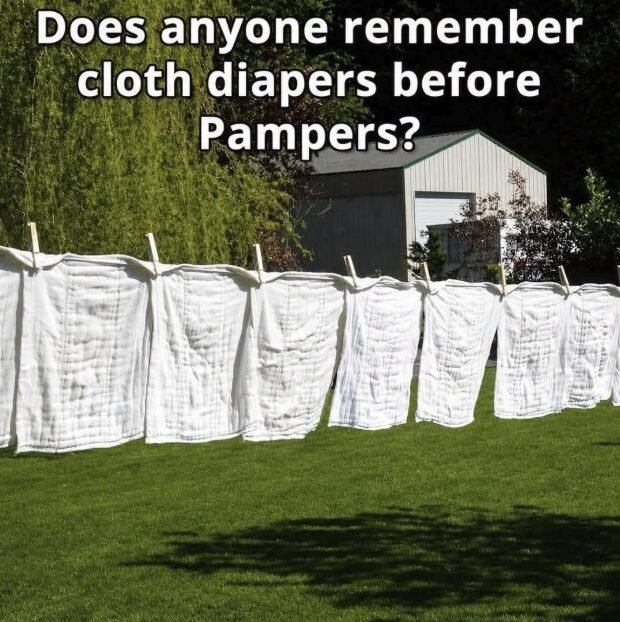
Parents soaked soiled cotton in pails with baking soda or vinegar, boiled them in large laundry pots over the stove, and hung them outside on clotheslines for UV sanitization.
Are modern cloth diapers easier to use than traditional ones?
Yes! Modern cloth diapers feature built-in waterproof layers, snap buttons, and velcro closures, eliminating the need for complex folding or safety pins.
Do cloth diapers cause less diaper rash than disposables?
Yes, the breathable natural cotton in cloth diapers minimizes chemical contact and heat retention, which helps keep sensitive skin healthier when changed regularly.
Looking back at cloth diapers before Pampers reminds us that simple, natural solutions often provide exceptional care for our children and our environment!