
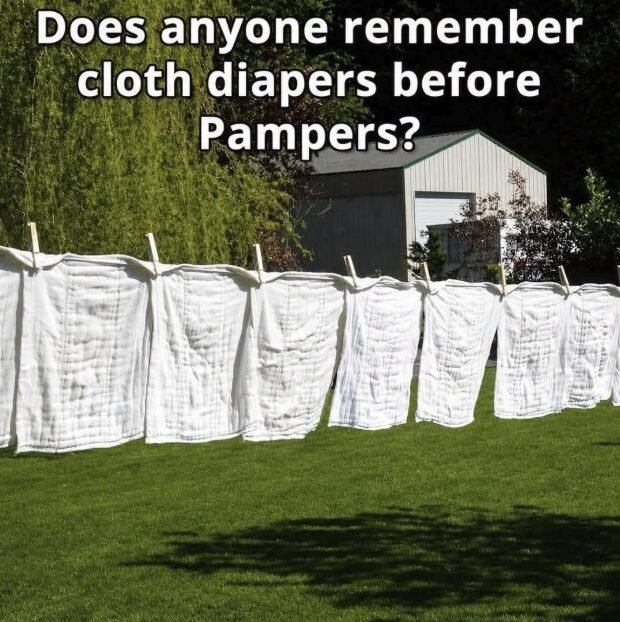
Cloth diapers before Pampers transformed how generations of parents cared for their newborns, relying on soft cotton folds, safety pins, and outdoor clotheslines rather than disposable plastic. Long before single-use diapers lined supermarket shelves, families across the world used washable cloth fabrics to keep babies clean, comfortable, and healthy. Today, reflecting on cloth diapers before Pampers offers a nostalgic look at timeless parenting wisdom while highlighting why modern families are returning to sustainable cloth alternatives. 👶
Materials & Essentials of Traditional Cloth Diapering
- Soft Cotton Flats or Prefolds: 100 percent natural unbleached cotton or flannel squares.
- Safety Pins or Fasteners: Traditional metal diaper pins with protective plastic heads.
- Waterproof Outer Covers: Classic rubber or vinyl pants (replaced today by breathable PUL covers).
- Gentle Natural Laundry Soap: Mild, fragrance-free soap powder safe for sensitive infant skin.
- Outdoor Clothesline & Pegs: Natural sunlight for drying, bleaching, and sanitizing fabrics.
Step-by-Step Guide: How Traditional Cloth Diapering Works
- Folding the Fabric: Spread a clean cotton flat square on a smooth surface and fold it into a balanced triangular or pad shape to fit your baby’s body snugly.
- Securing the Diaper: Wrap the cloth around the baby’s waist and secure the side wings using safety pins, keeping your fingers underneath the fabric to prevent accidental pricks.
- Adding the Waterproof Layer: Pull a protective waterproof cover over the folded cloth diaper to contain moisture and prevent leaks onto clothing.
- Pre-Rinsing and Soaking: After use, rinse soiled cloth diapers in cold water immediately and place them in a covered wet pail filled with baking soda and water to prevent set-in stains.
- Washing and Sun-Drying: Wash the diapers in hot water with mild detergent, then hang them outside in direct sunlight to dry naturally and sanitize the cotton fibers.
The History and Science of Cloth Diapers Before Pampers
The era of cloth diapers before Pampers relied entirely on reusable textiles like cotton gauze, bird’s-eye weave, and soft flannel. Prior to the widespread commercial launch of disposable diapers in the mid-twentieth century, parents washed and reused every single piece of infant cloth hundreds of times.
From a health perspective, natural cotton fibers offer high breathability and superior airflow compared to synthetic plastic linings. The natural weave allows heat and air to circulate freely around an infant’s skin, reducing moisture buildup and lowering the risk of severe diaper dermatitis. Furthermore, drying cotton in direct UV sunlight acts as a natural antibacterial treatment, breaking down organic compounds without relying on harsh industrial chemicals.
Benefits of Embracing Traditional Cloth Diapering Practices
- Unmatched Financial Savings: Reusing a set of cloth diapers for multiple children saves thousands of dollars compared to buying thousands of disposable diapers.
- Eco-Friendly Environmental Protection: Eliminates tons of non-biodegradable plastic waste that would otherwise sit in municipal landfills for centuries. 🌿
- Gentle on Sensitive Skin: Reduces exposure to synthetic fragrances, chemical dyes, and super-absorbent polymer gels found in modern disposables.
- Promotes Earlier Potty Training: Toddlers feel wetness more clearly in cloth fabrics, often helping them recognize bodily cues and potty train earlier.
