
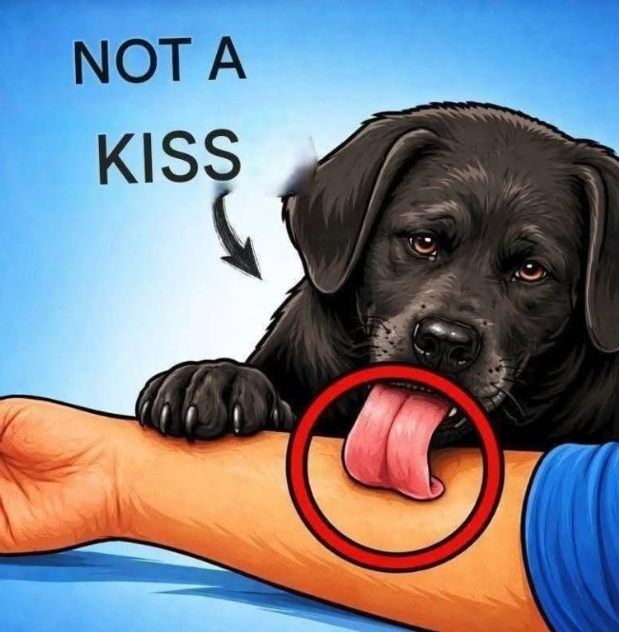
Over time, this positive attention can reinforce the behavior and make your dog more likely to lick your feet whenever the opportunity presents itself.
Why Does My Dog Lick My Legs?
Dogs often lick legs because they are attracted to scents, tastes, lotions, sweat, or other substances on your skin.
If you have recently showered, your dog may be interested in the water droplets, soap residue, shampoo, body wash, shaving products, or other scents left behind on your skin.
This behavior does not necessarily mean your dog is thirsty. Instead, they are often investigating the smells and tastes that accompany your daily routine.
Minor skin nicks or razor cuts may also attract attention, as dogs naturally use licking behavior when grooming themselves and interacting with wounds.
Outside of shower time, leg licking may be triggered by:
- Lotion or skincare products
- Salt left behind after exercise
- Sweat and natural skin scents
- Environmental substances you came into contact with throughout the day
In many cases, dogs are simply exploring information about their environment through scent and taste, and your legs provide plenty of both.
When Is Dog Licking a Problem?
While licking is a normal behavior for dogs, excessive or persistent licking can sometimes indicate a behavioral or medical problem.
In many cases, dogs lick simply because they are bored, curious, or seeking attention. Providing additional enrichment, exercise, and activities such as lick mats may help reduce normal boredom-related licking.
Behavioral Causes of Excessive Licking
Licking may become problematic when it occurs frequently, is difficult to interrupt, or consistently appears in response to stressful situations.
Excessive licking can sometimes be associated with:
- Anxiety
- Stress
- Fear or uncertainty
- Compulsive behaviors
- Conflict or frustration in social situations
Dogs may use licking as a calming signal or displacement behavior when they feel overwhelmed or unsure how to respond to a situation.
Because licking can trigger the release of endorphins and dopamine, some dogs use it as a self-soothing behavior during stressful experiences.
Excessive licking of people may also indicate that a dog is uncomfortable and is attempting to gather information, calm themselves, or create distance from the person involved.
Medical Causes of Excessive Licking
Persistent licking can also signal an underlying health issue.
Examples include:
- Allergies
- Skin infections
- Pain or discomfort
- Gastrointestinal (GI) disease
Dogs that repeatedly lick a specific area of their body may be experiencing localized discomfort, irritation, or pain.
Dogs that obsessively lick household objects, such as furniture, floors, rugs, and walls may be experiencing gastrointestinal issues or another medical concern.
When To Seek Professional Help
If your dog’s licking behavior becomes excessive, compulsive, difficult to interrupt, or appears to be linked to discomfort, consult your veterinarian.
Your veterinarian can help determine whether an underlying medical condition is contributing to the behavior.
If medical causes are ruled out, a certified behavior consultant or veterinary behaviorist can help identify behavioral triggers and develop an appropriate treatment plan.
Why Do Dogs Lick You FAQs
Do dogs lick you because they love you?
Sometimes. Licking can be a sign of affection, but dogs also lick for communication, exploration, attention, and self-soothing.
When should I worry about my dog licking?
Excessive licking, compulsive licking, or licking associated with anxiety, pain, allergies, or digestive issues should be discussed with your veterinarian.
