
PART 1:
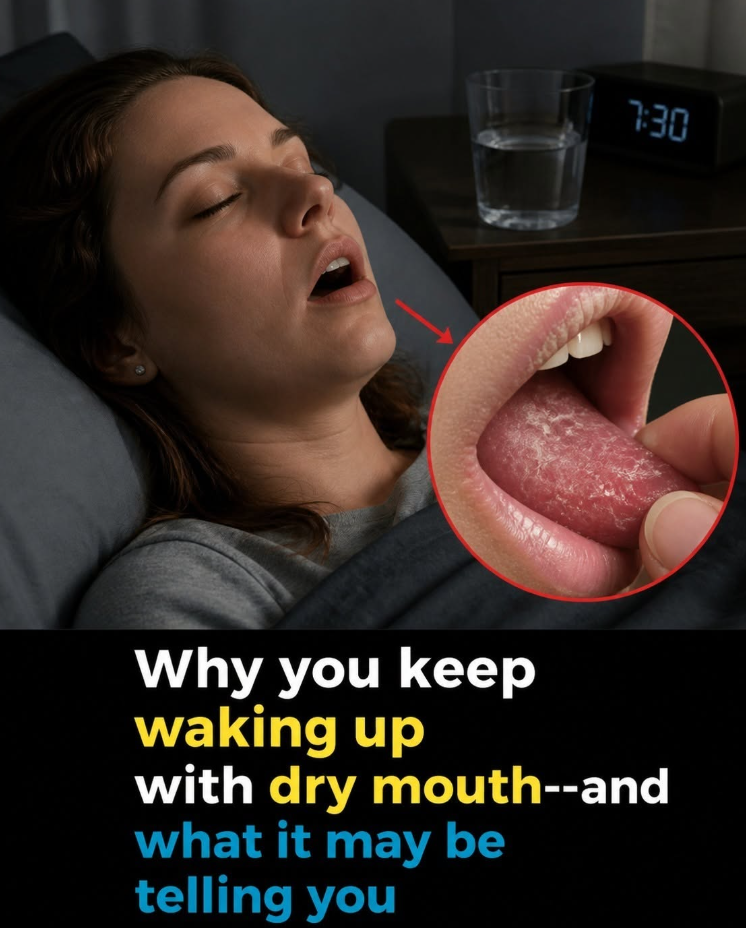
Waking up in the morning reaching immediately for a glass of water is an experience almost everyone has felt at some point. That uncomfortable, sticky sensation in your mouth—often accompanied by a rough tongue, cracked lips, or bad morning breath—is scientifically known as xerostomia. While an occasional dry mouth is completely normal after a night of deep sleep, constantly waking up parched can leave you wondering what your body is trying to communicate.
Saliva plays a massive role in maintaining your overall health. It protects your teeth from enamel decay, aids in digestion, washes away food particles, and keeps the soft tissues of your mouth lubricated and healthy throughout the night. When your body produces significantly less saliva during sleep, your oral environment loses its natural protective barrier, leading to nighttime discomfort and restless sleep.
While many people assume waking up with a dry mouth is simply caused by not drinking enough water before bed, the root causes often run deeper into your nighttime environment, sleep habits, and breathing mechanics. Understanding why your salivary glands slow down at night is the first step toward restoring peaceful, refreshing sleep. But what is the single most common culprit behind nighttime dry mouth? The primary trigger might surprise you!
🚨 CLICK “NEXT” BELOW TO UNCOVER THE MAIN CAUSES IN PART 2! ➡️
