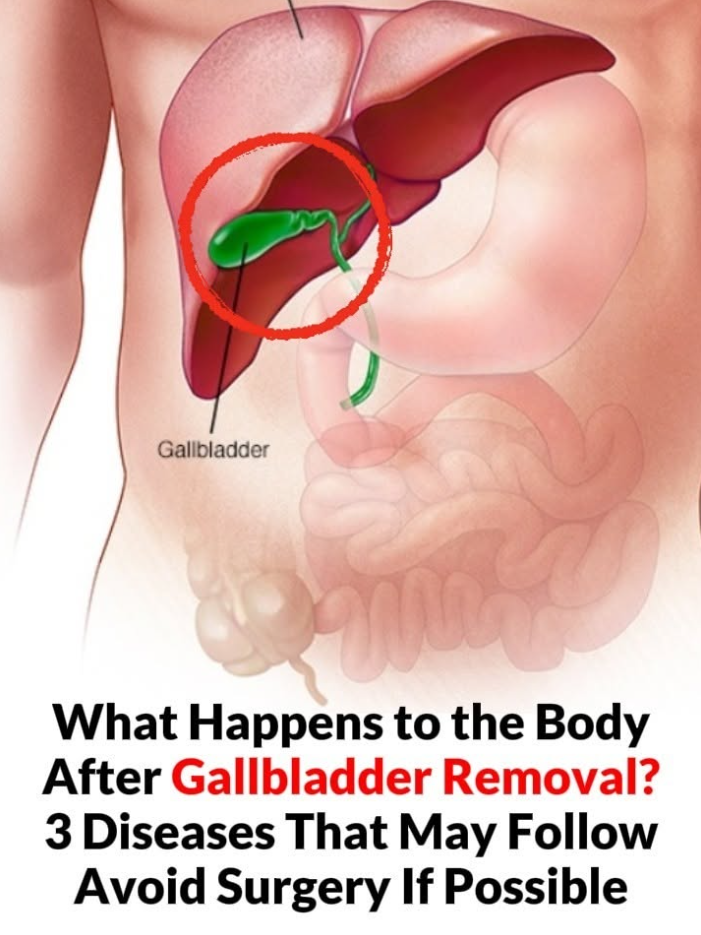
What Happens to the Body After Gallbladder Removal? 3 Diseases That May Follow Avoid Surgery If Possible
Once your gallbladder is gone, the absence of regulated bile delivery means that understanding what happens to the body after gallbladder removal? 3 diseases that may follow avoid surgery if possible becomes essential for managing daily gastrointestinal comfort 🩺. Without concentrated bile packets to emulsify heavy fats, many patients experience chronic bloating, fat malabsorption, and sudden digestive urgency immediately after eating greasy meals. To counteract these effects, adopting supportive dietary strategies—such as consuming smaller, frequent meals containing healthy, easily digestible fats—helps your liver adapt to continuous bile secretion and protects your gut lining from irritation 🌿.
Proactive Habits to Support Liver and Biliary Health Naturally
Protecting your digestive wellness and supporting optimal liver function involves establishing consistent, health-conscious daily habits.
- Incorporate Soluble Fiber Daily: Eat foods rich in pectin and soluble fiber, such as oats, chia seeds, and apples, to bind excess bile acids in the gut.
- Choose Healthy Lean Proteins: Opt for easily digestible proteins like fish, poultry, and plant legumes instead of heavy, fatty red meats.
- Eat Smaller, Frequent Meals: Consuming several modest meals throughout the day prevents overwhelming your continuous, unregulated bile flow.
- Stay Well-Hydrated: Drink plenty of pure water daily to support optimal liver metabolism and maintain smooth gastrointestinal transit.
Frequently Asked Questions
- Is gallbladder removal always necessary for gallstones? No, asymptomatic gallstones often require no intervention, and many patients manage mild biliary issues successfully through dietary adjustments and natural care.
- Can lifestyle changes reverse post-cholecystectomy digestive issues? Yes, eating low-fat meals, taking targeted digestive enzyme supplements, and eating smaller portions can significantly reduce chronic diarrhea and bloating.
- Why does chronic diarrhea happen after gallbladder surgery? Continuous bile dripping directly into the large intestine stimulates fluid secretion and accelerates bowel motility, resulting in chronic loose stools.
Taking charge of your digestive health and understanding the true impact of surgical procedures empowers you to make the best choices for your body. By exploring what happens to the body after gallbladder removal? 3 diseases that may follow avoid surgery if possible, adopting protective nutritional habits, and supporting your liver, you pave the way for long-term vitality. Honor your body’s complex design today, prioritize proactive wellness, and step forward into every new day with strength, balance, and confidence! ✨