
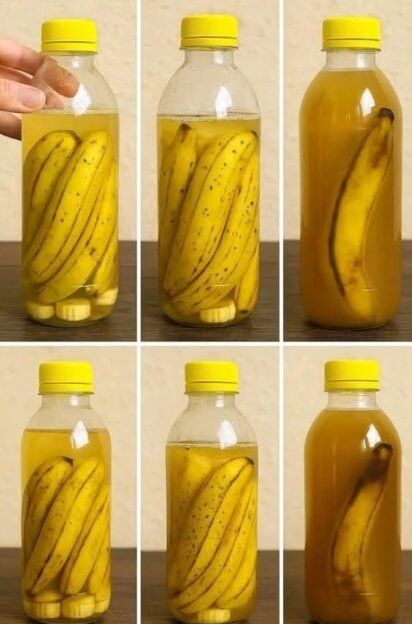
Making banana peels in a bottle works because organic banana skins contain concentrated levels of potassium, phosphorus, magnesium, and calcium. When suspended in water, the cell walls of the fruit skins break down through gentle cold-water extraction, leaching soluble mineral ions directly into the surrounding liquid.
Potassium plays an essential role in plant biology by regulating water movement through plant cells, encouraging strong root development, and strengthening cellular defense against common household pests. Phosphorus supports heavy blossom formation and vibrant flower color, making this homemade liquid infusion an ideal organic fertilizer for indoor monsteras, pothos, orchids, and potted tomatoes.
Amazing Benefits of Using Banana Peels in a Bottle for Plants
- Boosts Flowering and Growth: Supplies essential potassium and phosphorus needed for robust leaf growth and lush blooms.
- Reduces Kitchen Waste: Converts daily organic food scraps into valuable household resources through zero-waste sustainable gardening practices. 🌿
- 100 Percent Safe and Chemical-Free: Eliminates the risk of chemical root burns caused by synthetic nitrogen-heavy commercial fertilizer concentrates.
- Cost-Effective Gardening: Saves money on commercial houseplant fertilizers while keeping potted plants healthy year-round.
Crucial Safety Warnings & Common Mistakes to Avoid
While using homemade organic plant food is safe and beneficial, avoiding a few common mistakes will keep your indoor plants healthy and pest-free:
- Avoid Over-Fermentation: Do not leave banana skins soaking in a tightly sealed container for longer than 3 to 4 days. Extended fermentation produces unwanted sulfur odors and sour acids that can harm plant roots. ⚠️
- Watch Out for Fruit Flies: Always strain out solid fruit remnants completely before applying the liquid food to soil to prevent attracting gnats or fruit flies to indoor pots.
- Dilute Before Heavy Application: Never apply concentrated liquid fertilizer daily; over-saturating soil with nutrient water can cause root rot or excess fungal growth in potting soil.
