If You Find This Insect in Your Home, Here’s What It Could Mean
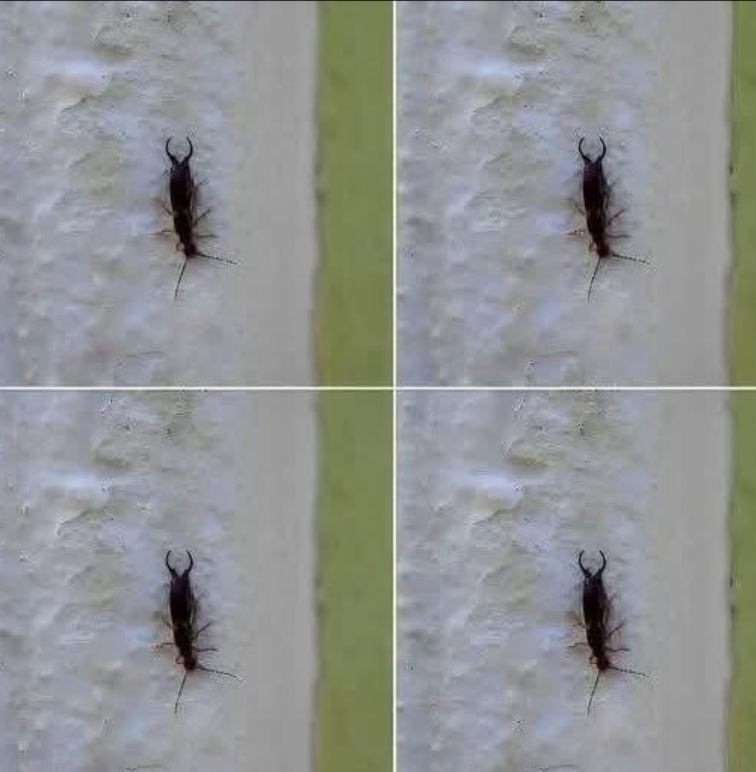
If you find this insect in your home, here’s what it could mean for your living space, indoor moisture levels, and overall household peace of mind 🐛. Spotting an unfamiliar, creepy-crawly critter darting across your bathroom floor or baseboards can instantly cause a surge of frustration and unease. While many homeowners immediately panic and reach for toxic chemical sprays, understanding why these unexpected visitors appear helps you tackle the root cause rather than just treating the symptom. Discovering the true significance behind finding this insect inside your domestic sanctuary allows you to protect your property naturally and effectively.
Household pests rarely appear without a specific reason, often acting as living indicator species for hidden environmental vulnerabilities. Whether they are searching for excessive moisture, microscopic food sources, or dark structural cracks, these creatures reveal vital clues about your home’s microclimate. Understanding the behavioral patterns of common indoor insects empowers you to seal vulnerabilities and restore a healthy, pest-free environment.
Understanding Why Certain Insects Invade Living Spaces
To understand what happens if you find this insect in your home, we must examine the primary ecological factors that drive pests indoors. Most crawling insects thrive in environments characterized by high humidity, poor ventilation, and accessible organic debris.
When basements, crawlspaces, or bathrooms accumulate trapped moisture, they mimic the damp, dark natural habitats these organisms require to survive and reproduce. Furthermore, minor structural gaps around windows, doors, and foundations provide effortless entry points. Recognizing these underlying environmental triggers allows you to transform your home into an inhospitable zone for unwanted critters without resorting to harsh chemicals.
Essential Steps to Identify and Address Household Pests
Managing unexpected indoor insect sightings requires a systematic, calm approach that focuses on exclusion and moisture control. Being aware of these practical steps ensures you secure your living quarters efficiently.
Here are the primary actions to take when managing indoor insect activity:
- Inspect High-Moisture Areas: Check under sinks, around laundry rooms, and inside damp basements for water leaks or condensation.
- Seal Structural Entry Points: Use silicone caulk to close gaps around windows, baseboards, and exterior foundation cracks.
- Reduce Indoor Humidity: Run dehumidifiers and use exhaust fans during showers to eliminate the moisture pests love.
- Eliminate Food Sources: Keep kitchen counters clean, store dry goods in airtight containers, and take out trash regularly.
As these fundamental prevention strategies highlight how environment dictates pest presence, discovering the specific hidden meaning behind this particular insect reveals the ultimate household secret ….👇👇