What Happens to the Body After Gallbladder Removal? 3 Diseases That May Follow Avoid Surgery If Possible
What happens to the body after gallbladder removal? 3 diseases that may follow avoid surgery if possible is a critical medical question that every patient facing a cholecystectomy needs to understand before entering the operating room. When chronic right upper quadrant pain, gallstones, or acute inflammation lead doctors to recommend immediate surgical removal of this small pear-shaped organ, many individuals assume life will simply return to normal. However, eliminating this crucial digestive reservoir alters how your body processes dietary fats, regulates bile flow, and maintains overall metabolic harmony. Exploring what happens to the body after gallbladder removal exposes vital physiological consequences that traditional medical consultations frequently overlook.
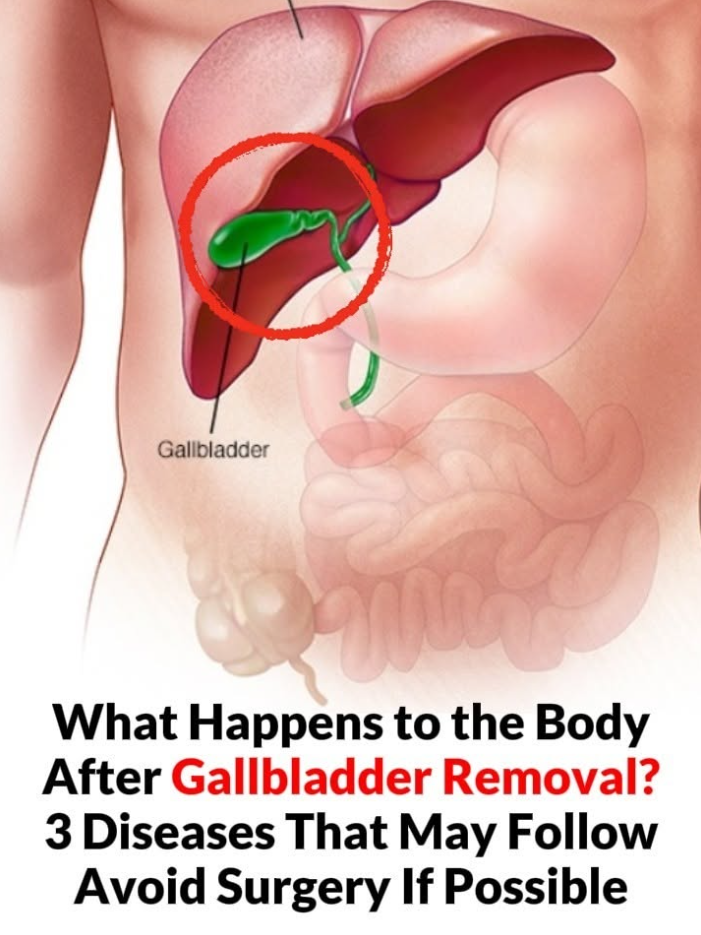
Your gallbladder serves as an essential storage pouch for bile produced by the liver, releasing concentrated digestive juices precisely when fatty foods enter the small intestine. When surgeons excise this organ, bile flows continuously and uncontrollably straight from the hepatic ducts into the digestive tract, regardless of whether food is present. Recognizing what happens to the body after gallbladder removal allows you to protect your long-term health and make informed decisions regarding conservative management versus surgical intervention.
Understanding the Physiological Role of the Gallbladder in Digestion
To comprehend why what happens to the body after gallbladder removal? 3 diseases that may follow avoid surgery if possible matters so deeply, we must examine the physiological functions of the biliary system. Under normal conditions, the gallbladder concentrates bile salts up to tenfold, enabling the efficient breakdown and absorption of fat-soluble vitamins and dietary lipids.
Without this reservoir, the continuous, unregulated dripping of dilute bile can overwhelm the small intestine’s capacity to process fats smoothly. This ongoing anatomical shift creates ripple effects across the entire gastrointestinal tract, predisposing patients to chronic digestive distress, nutrient malabsorption, and long-term metabolic imbalances that require careful lifestyle management.
The 3 Potential Health Conditions Linked to Post-Cholecystectomy Syndrome
Navigating the long-term aftermath of biliary surgery requires awareness of the secondary complications that can emerge months or years after the procedure. Being informed about these medical risks helps patients implement targeted dietary and lifestyle defenses.
Here are the primary health conditions associated with post-cholecystectomy changes:
- Post-Cholecystectomy Diarrhea (PCD): Continuous, unbuffered bile flow into the colon often triggers chronic loose stools, urgent bowel movements, and nutrient malabsorption.
- Non-Alcoholic Fatty Liver Disease (NAFLD): Altered lipid metabolism and disrupted bile acid signaling can increase hepatic fat accumulation and cellular inflammation.
- Sphincter of Oddi Dysfunction: Spasms or pressure abnormalities in the main bile duct valve can cause recurring abdominal pain resembling original gallbladder attacks.
As these physiological risks demonstrate the profound impact of losing your biliary reservoir, understanding the exact mechanism behind chronic digestive disruption reveals the ultimate health secret ….👇👇