
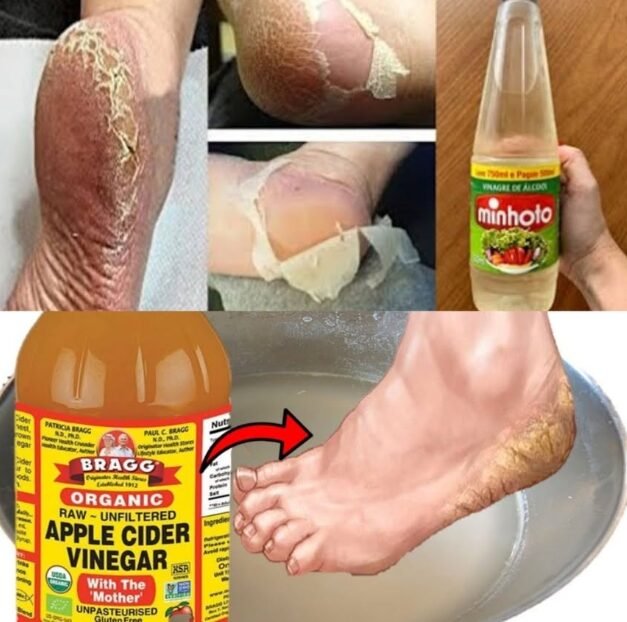
The key reason an apple cider vinegar foot bath functions so efficiently comes down to organic acid chemistry. Vinegar contains natural acetic acid alongside mild alpha-hydroxy acids (AHAs), which work synergistically to dissolve the intercellular lipid “glue” binding dead skin cells together. When keratin layers harden due to friction or lack of humidity, standard lotions cannot penetrate deep enough.
By lowering the surface pH of your skin, the vinegar bath softens dense keratin deposits without causing mechanical trauma. Additionally, vinegar possesses inherent antimicrobial and antifungal properties, making it excellent for cleansing tired feet while neutralizing odor-causing bacteria.
Key Benefits of Using a Cracked Heels Home Remedy
- Effortless Callus Softening: Naturally breaks down stubborn dry patches without violent rasping.
- Cost-Effective Care: Eliminates the necessity of spending money on harsh chemical peel masks or high-end cosmetic spas.
- Balanced Skin Microflora: Fights off fungal spores and foot odors simultaneously.
- Enhanced Absorption: Prepares skin pores to fully absorb rich, natural moisturizers applied afterward. 🧴
Important Safety Warnings & Common Mistakes to Avoid
While natural remedies are remarkably effective, safety and proper technique remain paramount for optimal foot health:
- Never Use Acid on Open Bleeding Wounds: If your heel fissures are deep enough to bleed or show signs of active infection, do not use vinegar baths. Acid will cause severe stinging and delay natural healing.
- Avoid Over-Exfoliating: Limit foot soaking routines to 2 or 3 times per week. Over-soaking or aggressive filing can strip healthy skin cells, triggering the body to produce even thicker calluses as a defense mechanism.
- Dilution is Essential: Never apply undiluted vinegar directly to dry feet for prolonged periods, as this can cause mild chemical irritation or skin redness.
Essential Facts & Nutritional Values for Foot Health
| Aspect / Compound | Role in Skin Health & Recovery |
| Acetic Acid | Mild natural exfoliant; balances surface skin pH |
| Alpha-Hydroxy Acids | Dissolves dead keratin build-up gently |
| Fatty Acid Oils | Restores lipid barrier integrity post-soak |
| Ideal Water Temp | Warm (98 to 100 degrees Fahrenheit) to prevent skin dehydration |
Storage & Maintenance Tips for Long-Term Smooth Feet
Maintaining soft heels requires consistent habit building rather than a one-time fix. Store your raw organic vinegar in a cool, dark pantry away from direct sunlight to preserve its natural active enzymes.
